

The Unholy & Horny Book Club
Purity culture didn’t see this or us coming..
A private online community for purity culture survivors and people in cult or high-control recovery to read spicy books, share reactions, and reclaim pleasure.
No shame, no pressure, no processing.
What is this?
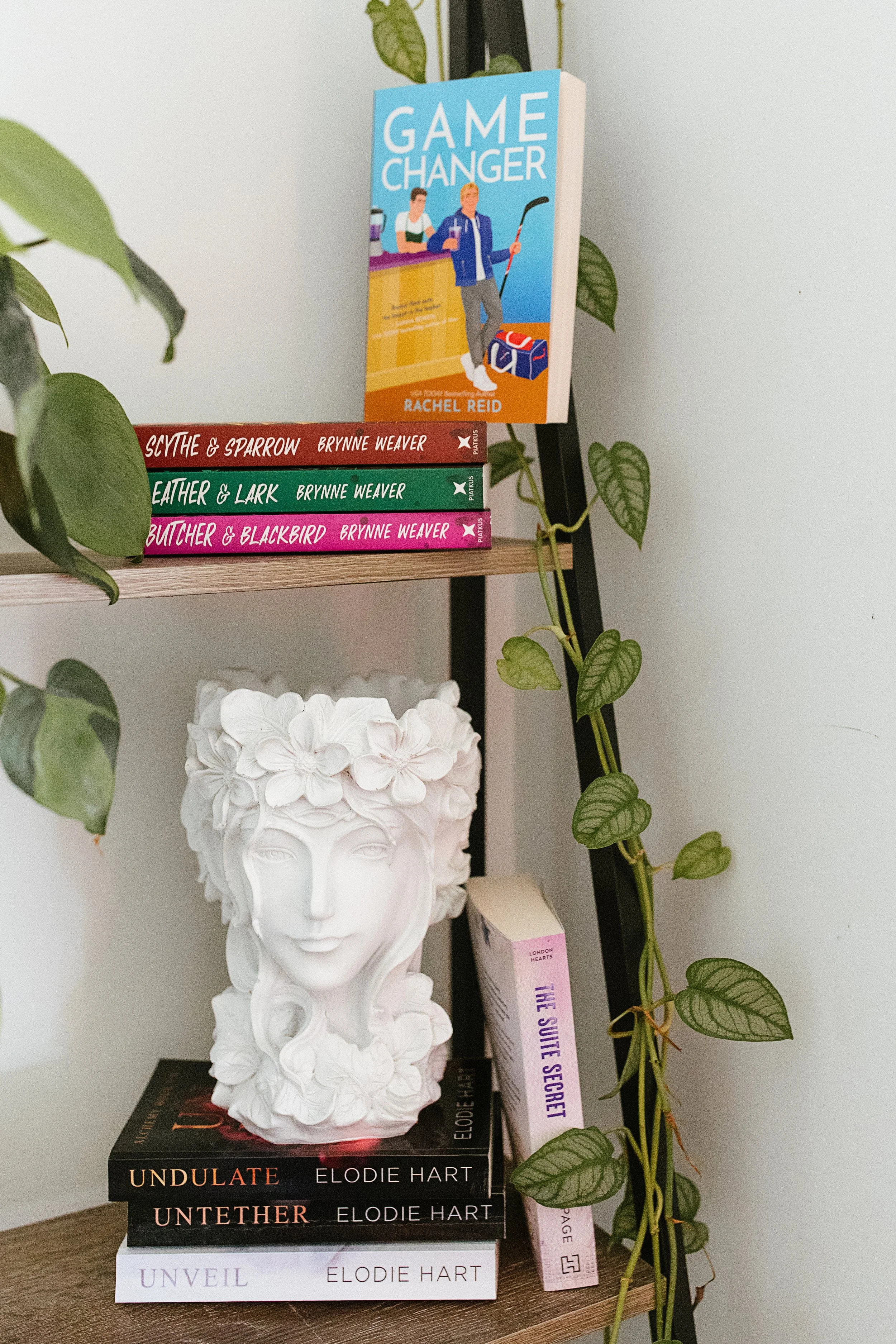
The Unholy & Horny Book Club is exactly what it sounds like. It's a private Facebook group where we read romance, erotica, dark romance, and kink-inclusive fiction together; books that many of us were told we weren't supposed to read.
This isn't a support group or a therapy space. It's social. It's casual. It's a place to say "I read this and it wrecked me" or "I hated the trope" or "actually, this made me cry and I didn't expect that" and be met with people who get it.
For those of us who grew up being handed a script about our bodies, desire, and what we were allowed to want, reclaiming pleasure can be its own quiet act of defiance. The book club is one small space for that, through the relatively low-stakes lens of fiction.
Who is this for?
This space is particularly resonant for:
Survivors of purity culture
People navigating recovery from high-control groups, cults, or coercive religious environments
Anyone who grew up with shame, silence, or strict rules around bodies, sexuality, or pleasure
You don’t need to have left religion. You don’t need to identify as a survivor. If the idea of a low-pressure space to read spicy books with people who understand the background noise - this is for you. This space is open to women and LGBTQIA+ people.

Why does RTC run this?
Recovery from religious trauma and high-control environments isn’t only about processing what happened. It’s also about figuring out who you are now; what you actually think, feel, want, and enjoy, when the rules that governed all of that are gone.
For many survivors, bodies and sexuality sit right at the centre of that. Purity culture and high-control environments frequently use shame, silence, and rigid scripts around gender and desire as tools of control. Unlearning that and finding your own relationship with your body and pleasure is real recovery work, even when it doesn’t look like it.
The Unholy & Horny Book Club isn’t therapy. But it is a space where that context is understood without needing to be explained, where reading something that would once have been forbidden, and talking about it openly, can be its own small act of reclamation. RTC runs this because connection, humour, and pleasure are part of the picture too.
What to expect
There's a book each month, but the group runs at your pace. Post when you have something to say, lurk when you don't, jump into a thread three weeks late if that's when you get to it.
Sam and Elise participate as peers though; not in a facilitation or clinical role.
Conversation tends to move around things like:
What people have been reading lately and how it landed
Tropes - the ones we love, the ones we can't stand, and why
Both emotional and explicit content, and what we're drawn to
Reactions to books, including humour, discomfort, enjoyment, or something harder to name
There is often a lot of laughter, swearing and a no bullshit kind of attitude.
There's no obligation to share personal experiences, or to post at all. Reading along quietly is a completely legitimate way to be in the group.
Monthly Reads
July: Mistakes Were Made by Meryl Wilsner
August:Game Changer by Rachel Reid
September: Game On by Navessa Allen
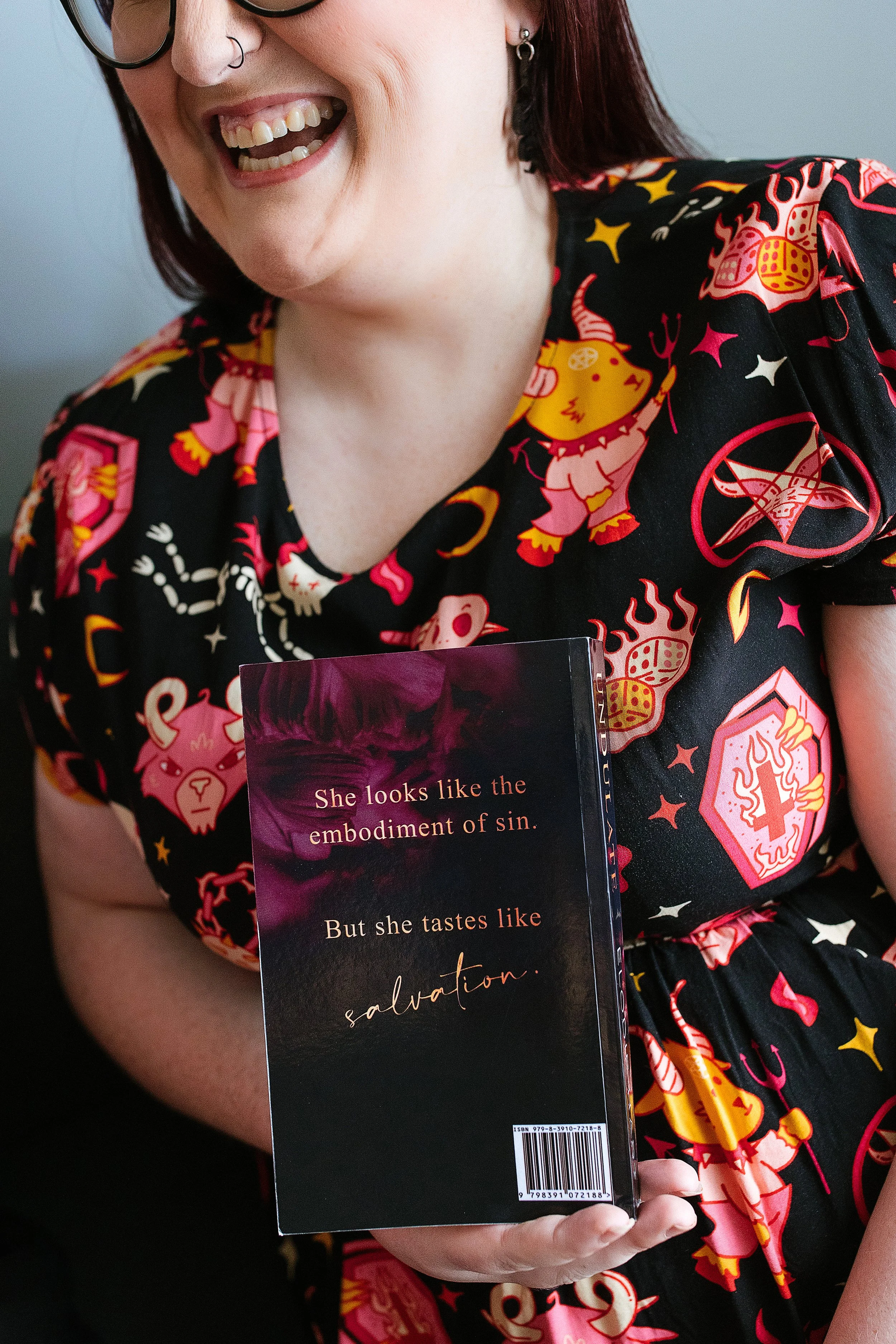
October: Undulate by Elodie Hart
November: One More Gift by Holly June Smith
Books are announced in the group at the start of each month.
The Details
A private Facebook group - posts aren't visible to anyone outside it
A new book each month, with discussion running throughout
No cost, no registration, no scheduled sessions
Join and participate whenever suits you
To join, request access through the group and answer the membership questions. We approve requests manually.
Frequently Asked Questions
-
This space is open to women and LGBTQIA+ people. We’ve made this decision intentionally; purity culture causes gendered harm in specific ways, and we want this space to reflect that.
Cisgender heterosexual men are not able to attend. This isn’t about exclusion for its own sake, it’s about making sure the people in the room can talk freely, without navigating the dynamics that this kind of space is specifically designed to move away from.
-
No. This is a social book club. The focus stays on books, reading experiences, and reactions not personal processing or therapeutic exploration. Sam and Elise are present as peers and organisers, not as practitioners.
If you're looking for a structured support space, RTC's peer support groups may be a better fit; you can find those on the Support Groups page.
-
Spicy fiction; especially books that touch on power, desire, bodies, or consent can sometimes land in unexpected ways, particularly for people with backgrounds in purity culture or high-control environments. That's not a sign something's wrong with you; it's often part of the territory.
We encourage everyone attending to have their own support in place, whether that's a therapist, a trusted person in your life, or other resources. The book club isn't designed to hold that, but we want you to be held somewhere.
-
There's a book each month, but you're always welcome to bring other things you've been reading into the group too. Half the fun is the ever-growing TBR list that comes out of everyone's recommendations.
-
No. Current/former clients of both Sam and Elise are not able to join, for ethical reasons. This boundary is firm and isn’t personal.
-
No. You don't need to have left a religion or identify in any particular way to join. What matters is that the space feels relevant and useful to you.
-
Yes, fully and non-negotiably. This space is explicitly affirming of all LGBTQIA+ identities, expressions, and relationships. That’s not a footnote, it’s foundational to how RTC operates and how this space is held.
-
The group is private, which means posts are only visible to members. But the group itself is discoverable, so it shows up in Facebook search, and your name and profile are visible to everyone else in the group. Facebook groups aren't anonymous. If that's a concern, some people use a separate account for this kind of thing. Worth thinking about before you join.