

Find Connection & Understanding
Our peer support groups are for anyone who has experienced religious trauma, cult involvement, or high-control group harm, regardless of the type of group, their faith background, or where they are in their recovery. Whether you left last month or last decade, whether you have language for what happened or are still searching for it, these groups are designed to offer a space where your experience is recognised, your story is believed, and you are not navigating this alone.
Available online for people across Australia and New Zealand.
Who Are These Groups For?
Our support groups are for anyone experiencing:
Religious or spiritual trauma
Cult involvement or cultic group dynamics
Coercive control or high-control environments, religious or non-religious
Faith-based pressure, fear, guilt, or shame
Loss of identity, belonging, or community after leaving a group
Deconstruction and identity rebuilding
Confusion, grief, or internal conflict related to your group experience
Spiritual abuse, purity culture harm, or indoctrination
The long-term impact of growing up in a high-control environment
You do not need a specific story or a particular level of trauma to belong here. These groups welcome people at every stage of recovery, from those who have only recently left, to those who left years ago and are still making sense of the impact.
Practical Details
Duration: 6 weeks
Session Length: 90 minutes (online)
Closed Group Size: 6–8 participants (no new members join after Week 1)
Cost: $50 per week ($100 deposit + $200 due the week before groups begin) Payment plans are available on request
These groups are peer support, not therapy; if you're looking for one-on-one clinical support, our practitioner directory can help you find someone.
Meet Your Facilitators
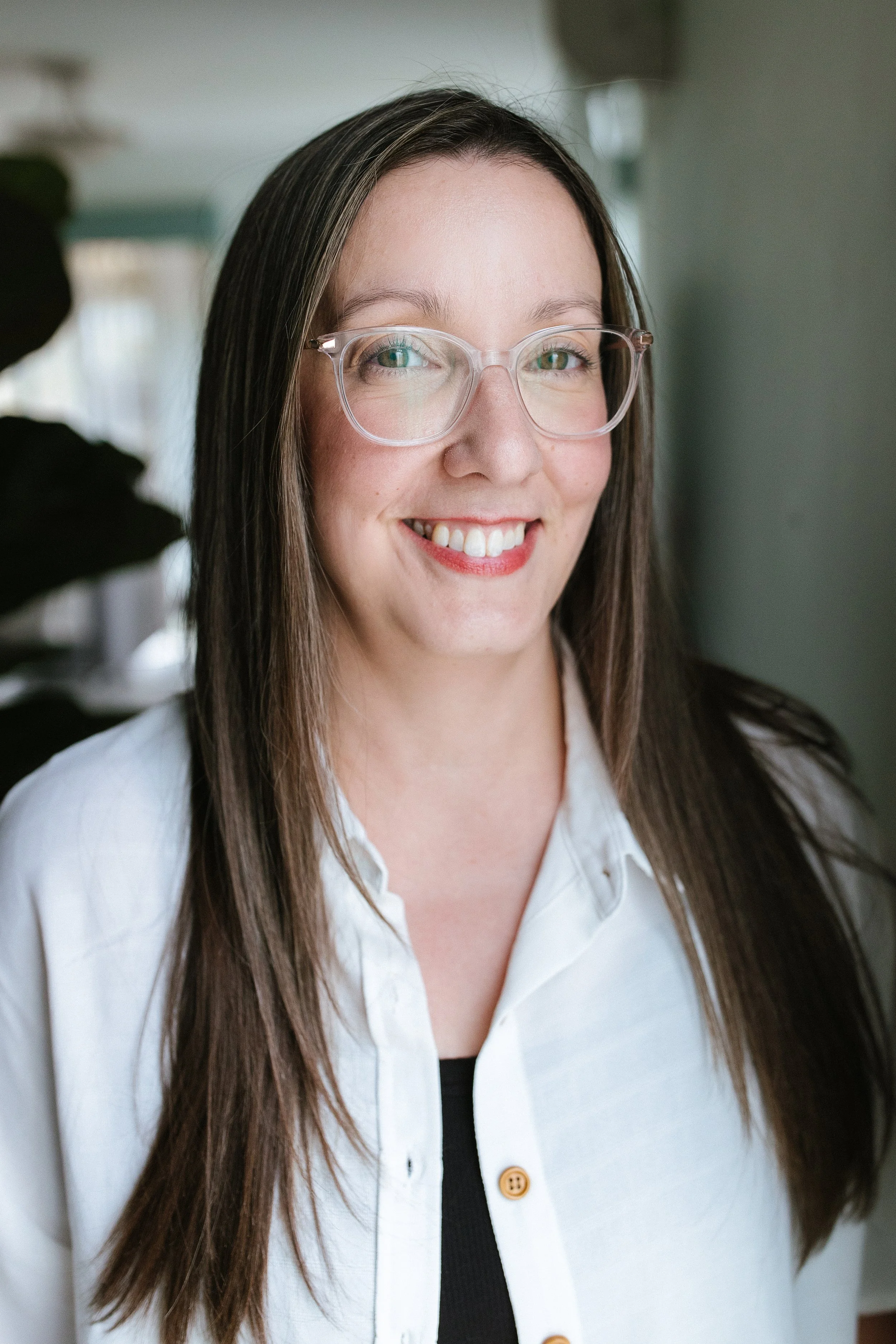
“Sam's groups have a kind of quiet steadiness to them; being structured enough to feel safe, but never so tight that there's no room for movement. She brings genuine warmth and a good dose of humour to the work, which helps to make the heavier conversations a little more possible. People often describe feeling truly heard in her groups; not analysed or steered, just met where they are. Sam draws on her own lived experience alongside her facilitation training, and has a particular gift for holding space without rushing it. Expect honesty, the occasional laugh, and the feeling that you can finally say the thing you haven't quite been able to say out loud yet.”
Sam Sellers
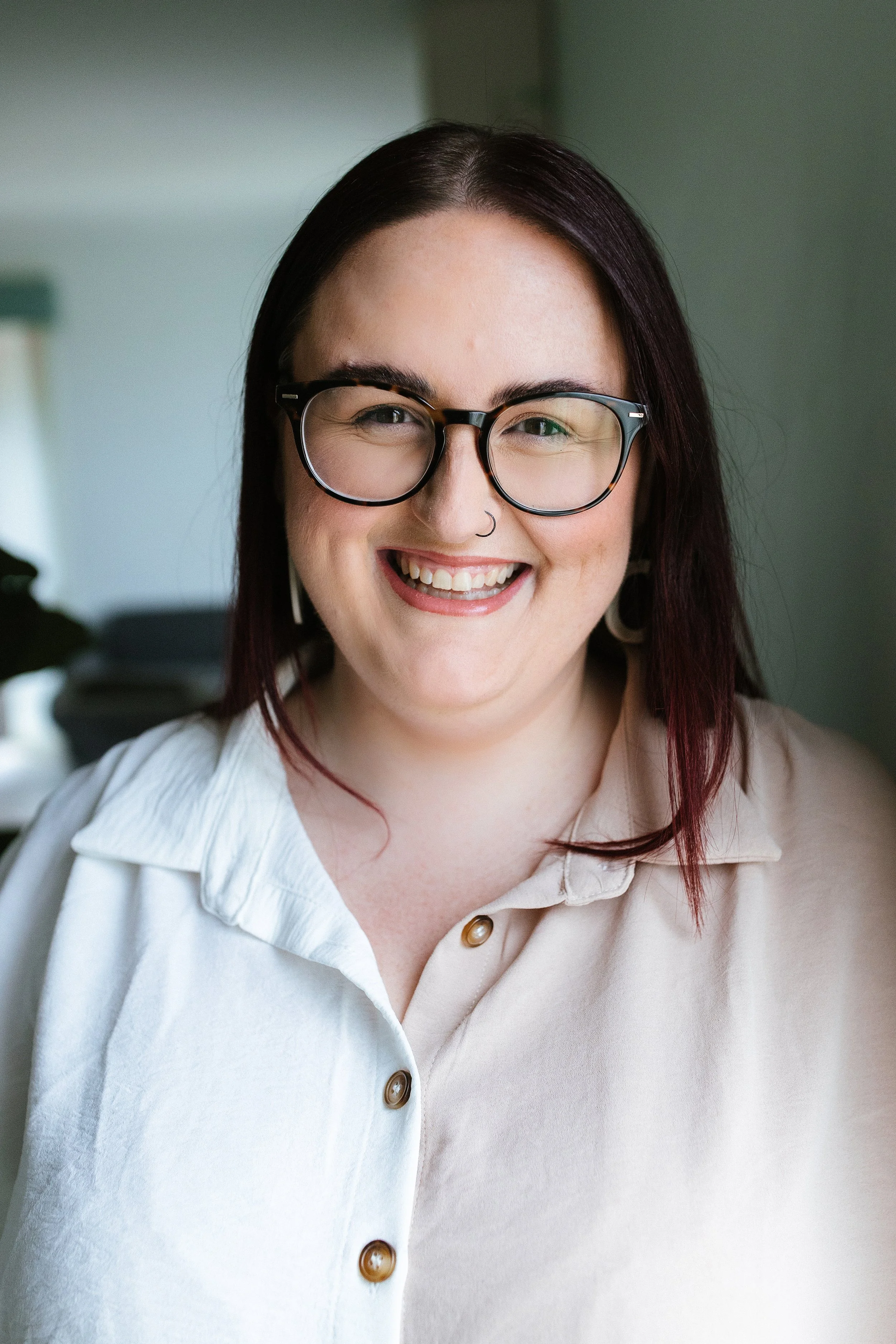
"If you have ever wanted a support group that feels less like a formal session and more like a real conversation with someone who genuinely gets it, that is what Elise brings. Her facilitation style is warm, casual, and grounded, creating space where people feel comfortable enough to show up as they actually are rather than how they think they are supposed to be. Elise brings her own lived experience of high-control religious environments alongside her professional training, which means she can sit with the complexity and the parts that are hard to explain without rushing toward resolution. Expect honesty, care, and a lot of room to breathe.”
Elise Heerde
Express Your Interest
-
Purity culture doesn't just shape what we were taught about sex and bodies, it shapes how we see ourselves, our worth, and our relationships. This group is for people unpacking the lasting impact of purity messaging, whether or not they still hold religious beliefs.
-
Pentecostal and charismatic environments come with their own particular intensity; spiritual gifts, deliverance, prophecy, and a culture where doubt could feel like a spiritual failure. This group is for people making sense of what that world did to them, and who they are outside of it.
-
Leaving a faith tradition you grew up in; even one that wasn't high-control can bring its own quiet grief and disorientation. This group is for people navigating the loss of belief, community, or religious identity in a mainstream Christian context.
-
Religious systems have always had particular things to say about women about bodies, submission, roles, worth, and voice. This group is for women unpacking the specific ways gendered religious harm has shaped them: who they were told to be, what they were taught to accept, and what it means to reclaim themselves outside of that.
-
Leaving ministry isn't just leaving a job; it's leaving an identity, a community, a calling, and often a way of understanding the world. This group is for people who were pastors, leaders, or ministry workers in religious or high-control environments and are navigating the particular grief, complexity, and disorientation that comes with that kind of exit.
-
Growing up inside a high-control group means the system wasn't something you chose; it was simply the world you were handed. This group is for adults who were raised in these environments and are making sense of how that shaped them, often in ways they're still uncovering.
-
When you're deconstructing, the really big questions linger: What about hell? Why suffering? Am I really broken? These questions can feel overwhelming and isolating. This group is for people working through the existential questions that arise when your belief system shifts. Supporting you to sit with the uncertainty, process what these questions mean to you now, and exploring their impact on how you're rebuilding meaning.
-
Religious trauma can emerge from any faith tradition where control, shame, or conditional belonging were present. This group is for people whose experiences are rooted in non-Christian religious environments; including Islam, Judaism, Hinduism, or other traditions who are looking for a space that understands that.
-
High-control dynamics don't only exist in religious spaces; they show up in wellness communities, MLMs, political movements, and more. This group is for people recovering from cultic or coercive group experiences that weren't rooted in religion.
-
For LGBTQIA+ people, religious trauma often carries an extra layer; faith systems that didn't just control belief, but targeted identity itself. This group is for queer and trans people exploring the intersection of faith, shame, identity, and what it means to come home to yourself.
-
Parenting after leaving a high-control environment raises its own complicated questions about values, boundaries, what to pass on and what to leave behind. This group is for parents navigating how their own religious trauma shows up in their parenting, and how to do things differently.
-
Everything is a lot when you're newly out; the grief, the questions, the disorientation, the relief. This group is for people in the early stages of leaving a religious or high-control environment who are looking for company while they find their footing.
-
Being further along doesn't mean being done and sometimes the deeper layers only surface once the dust has settled. This group is for people who have been out for a while but are still unpacking, still healing, and still figuring out who they are on the other side.

Online Open Peer Support Group
A monthly online space for people recovering from religious trauma and cultic harm.
Sometimes you just need to show up with whatever's on your mind and sit with people who get it.
This monthly 90-minute monthly online support group is a space to bring your questions, your story, or whatever you're processing right now. There's no agenda, no expectation to share, just connection with others who have lived experience of religious trauma or cultic harm.
Whether you're newly out, still unpacking years later, or somewhere in between, this group is for you.
How It Works
Max 10 people - small enough to stay intimate and real
Register below for the month you want to attend
90 minutes of connection from the comfort of your own space
$50 AUD per session and open to those is Australia & New Zealand

Therapeutic Benefits of a Support Group
Understand What Happened
Make sense of coercive control, indoctrination, purity culture, and fear-based systems through trauma frameworks.
Reduce Shame
Share experiences in a community that reflects compassion instead of judgement.
Rebuild Identity & Belonging
Explore who you are outside religious expectations or control.
Feel Less Alone
Meet others who “get it” without needing long explanations or caveats.
Build Nervous System Awareness
Learn grounding, regulation, and safety-building tools that support recovery.
Create New Patterns of Connection
Practice boundaries, communication, and self-trust in a supportive environment.
Move Toward Life Beyond Trauma
Begin imagining and embodying a future shaped by autonomy not fear.
How We Create Safety in Every Group

Trauma-Informed Foundations
You choose how much or how little you share.
You can take breaks or regulate as needed.
Facilitators help pace conversations to minimise overwhelm.
Confidentiality & Respect
What is shared in the group stays in the group.
No recording or screenshots - ever.
Participants speak from their own experience; no unsolicited advice.
Spiritual Safety
No proselytising, debate, or attempts to correct others’ beliefs.
All experiences are respected, whether you have left your group entirely, are still navigating your relationship with the group, or are somewhere in between.
LGBTQIA+ Affirming & Inclusive
The RTC affirms all identities.
Misgendering or exclusionary comments are not tolerated.
Online Safety
All participants attend from a private space where they feel safe to share.
These guidelines ensure that the group feels predictable, inclusive, grounded, and respectful for all participants.
Ready to Join a Group?
If you would like to register your interest in one or more groups, head to the form below. You can select which groups feel most relevant to you, and we will be in touch once numbers are confirmed and a group is ready to run.
You don’t have to navigate this alone. We’re here, and there’s a group waiting to welcome you.