

Lunch & Learn
Learning That Fits Into Your Day
You are already busy. Between client sessions, case notes, supervision, and everything else that fills a clinical day, finding time for professional development is not always straightforward. And when it comes to religious trauma and cult recovery, finding development that is actually relevant to the specific presentations you are encountering in practice can be even harder.
That is what these Lunch and Learns are for.
Monthly online sessions, designed to fit into your lunch break, deepen your knowledge, and give you space to ask the questions that come up when working in this space.
No full-day commitment. No travel. Just 45 minutes of connection and growth, relevant learning delivered directly to wherever you are eating your sandwich.
What to Expect
Each session runs for 45 minutes and is structured in two parts:
15 minutes: Presentation A focused, practitioner-facing dive into a topic relevant to religious trauma, cult recovery, or coercive control in group settings. Each session is designed to be practically applicable, giving you frameworks, language, and clinical insights you can draw on directly in your work.
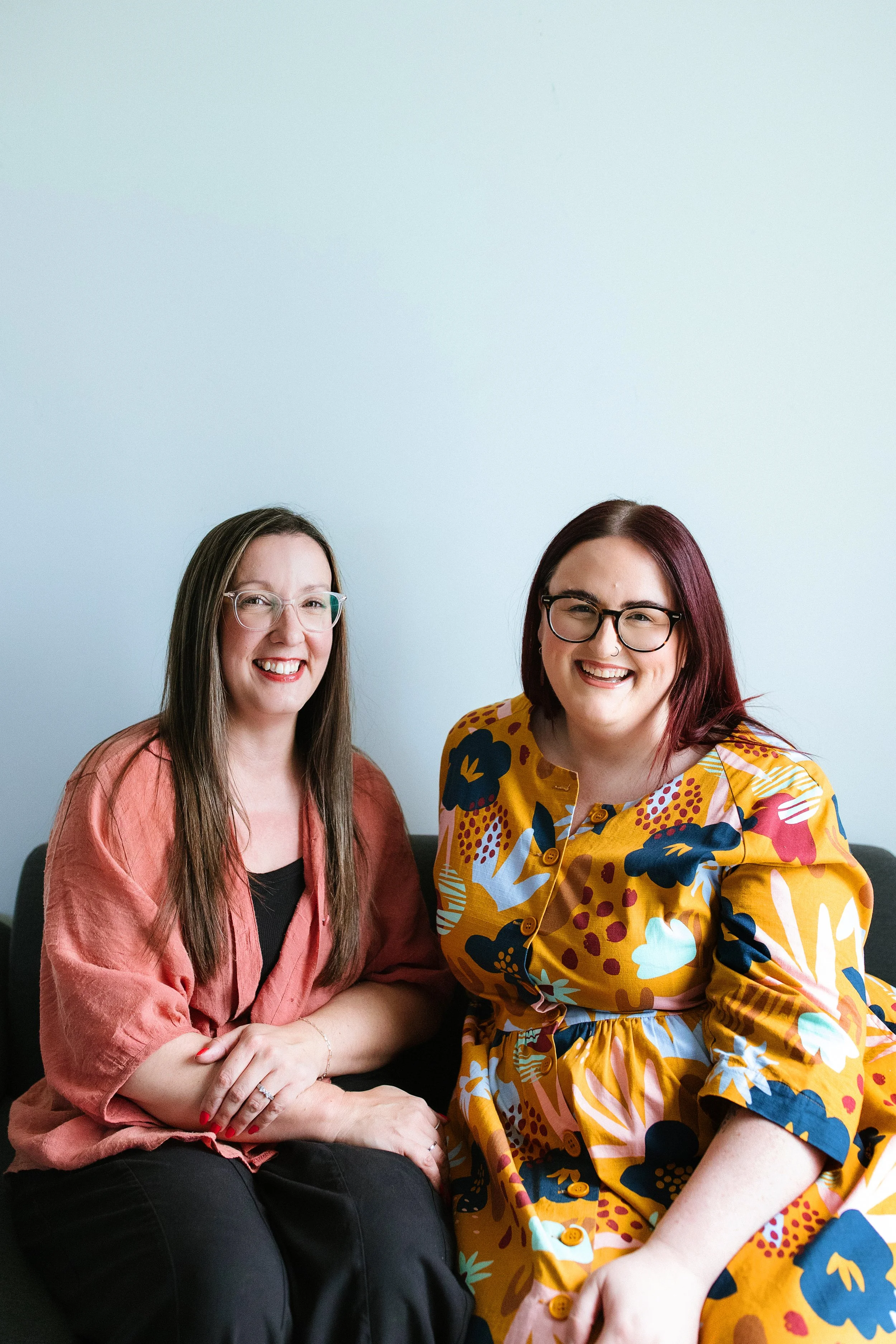
30 minutes: Q&A Time to ask questions, share reflections, and engage in conversation with Elise or Sam, and other practitioners in the room. This is not a passive webinar. It is a space for real discussion with people who understand the complexity of this work.

Who These Sessions Are For
These sessions are for any practitioner or advocate who works with, or expects to work with, survivors of religious trauma, cults, or high-control groups.
Whether you are just beginning to encounter these presentations in your practice, or you have been working in this space for years and are looking for ongoing learning and connection with others who understand it, these sessions are designed to be useful to you.
There is a growing number of practitioners who want to do this work well. Who are sitting across from clients carrying experiences of religious harm or cult involvement and who want to show up for them with genuine understanding and clinical skill, not just good intentions.
We see it all the time, in the questions practitioners bring to us, in the conversations that happen after training sessions, in the emails that start with "I have a client and I'm not sure where to begin."
The field is growing. The presentations are becoming more visible. And the infrastructure to support practitioners working in it has not kept pace.
These Lunch and Learns are one part of how we are changing that. Elise and Sam will be in the room every month; not just to present, but to think through this work alongside you.
We look forward to having you at the table.
Why We Are Running These

Religious Trauma vs. Spiritual Abuse vs. Cult Recovery - Getting the Language Right
These three terms are used interchangeably in public discourse, but they are not interchangeable and the clinical formulation is different in each case. This session unpacks what each term actually describes, why the distinctions matter for how you understand and respond to a client's presentation, and how to offer language to clients in ways that validate experience without imposing a framework they haven't chosen.
$20AUD

The Therapeutic Relationship with Cult Survivors - What Makes It Different
In cult survivor work, the therapeutic relationship is both the primary vehicle of healing and the primary site of risk. This session examines the specific dynamics that make this work different; including the authority transference, the idealising relationship with the practitioner, the performed wellness problem, and the way standard disclosure practices can inadvertently replicate cult confession dynamics. Practical and direct, this session gives practitioners four concrete things to do differently.
$20AUD

When the Family Calls - Supporting Loved Ones of People Currently in Groups
Sometimes the person who comes to therapy is not the cult survivor; it's their parent, sibling, or partner, often in significant distress and asking a question practitioners rarely feel equipped to answer. This session looks at how to work with family members as the primary client, drawing on the CRAFT framework and Pauline Boss's work on ambiguous loss, and offers clear guidance on what families can realistically do and what they cannot.
$20AUD

Recognising Cult Survivors in Your Caseload
Research suggests more than a third of practitioners will work with a cult survivor without realising it. This session walks through the specific clinical presentations that should prompt the question, identity disruption, epistemic disturbance, a particular kind of grief the culture has no language for, and a complex relationship with spirituality and offers practical guidance on how to raise the possibility with clients who haven't named it themselves.
$20AUD

What Makes a Group High-Control? A Clinical Framework for Practitioners
Many practitioners suspect cult involvement in a client's history but don't have the clinical language to work with it. This session introduces the foundational frameworks, including Lifton's thought reform criteria and Lalich's bounded choice to help practitioners understand what high-control groups actually do, and why leaving is never as simple as it looks from the outside. You'll leave with a clearer framework for pattern recognition and a set of questions that open clinical conversations without requiring a verdict.
$20AUD